Systems Pharmacology
- Elucidation of immune regulation by the sympathetic nervous system
- Identification of novel modes of neuro-immune interactions
- Advancement of drug discovery targeting lymphocyte trafficking
- Development of novel therapeutics based on modulation of neuro-immune interactions

Elucidating the cellular and molecular basis of neuro–immune interactions and developing novel therapeutics
The nervous and immune systems are two major biological systems that enable organisms to respond to external and internal environmental cues. It has long been recognized that these two systems influence each other. However, the mechanisms underlying this interplay remain incompletely understood. Our laboratory aims to elucidate the cellular and molecular basis governing the functional interactions between the nervous and immune systems. Our previous studies have uncovered a molecular mechanism by which the sympathetic nervous system controls lymphocyte trafficking (Fig. 1). We have further demonstrated that this mechanism contributes to diurnal variations in immune responses. In recent years, neuro-immune interactions have attracted growing attention as an emerging yet long-standing field in life sciences. Nevertheless, many aspects of their cellular and molecular basis remain unresolved. Our laboratory continues to investigate immune regulation by the sympathetic nervous system while seeking to identify novel modes of neuro-immune interactions.
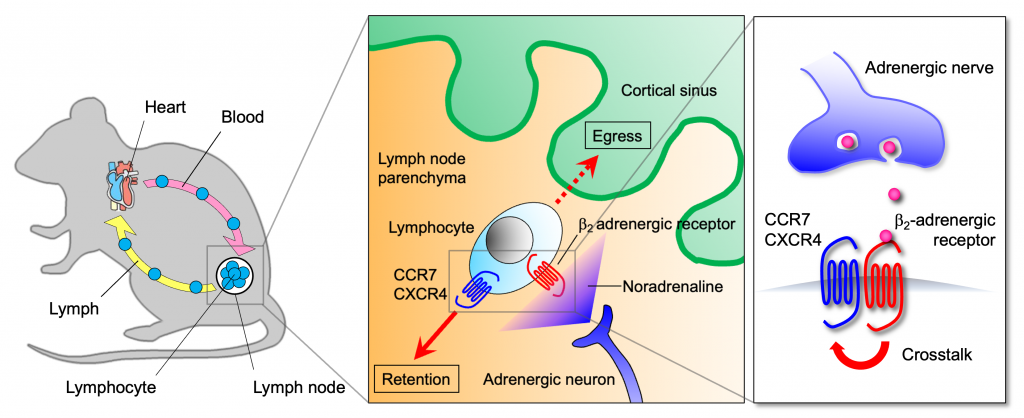
Figure 1. Control of lymphocyte trafficking by the sympathetic nervous system
In the course of elucidating the molecular mechanisms underlying sympathetic control of lymphocyte trafficking, we identified a protein complex composed of COMMD3 and COMMD8 (the COMMD3/8 complex) as a key signaling adaptor downstream of chemoattractant receptors. We have demonstrated that the COMMD3/8 complex plays a critical role in lymphocyte migration and the induction of immune responses. Furthermore, our recent studies have shown that this protein complex is deeply involved in the pathogenesis of immune-mediated diseases (Fig. 2). We are currently advancing the development of therapeutics targeting the COMMD3/8 complex for immune diseases. Looking ahead, we aim to translate insights gained from studies of the molecular mechanisms underlying neuro-immune interactions into the identification of new therapeutic targets, ultimately driving the development of novel therapies based on the modulation of neuro-immune interactions.
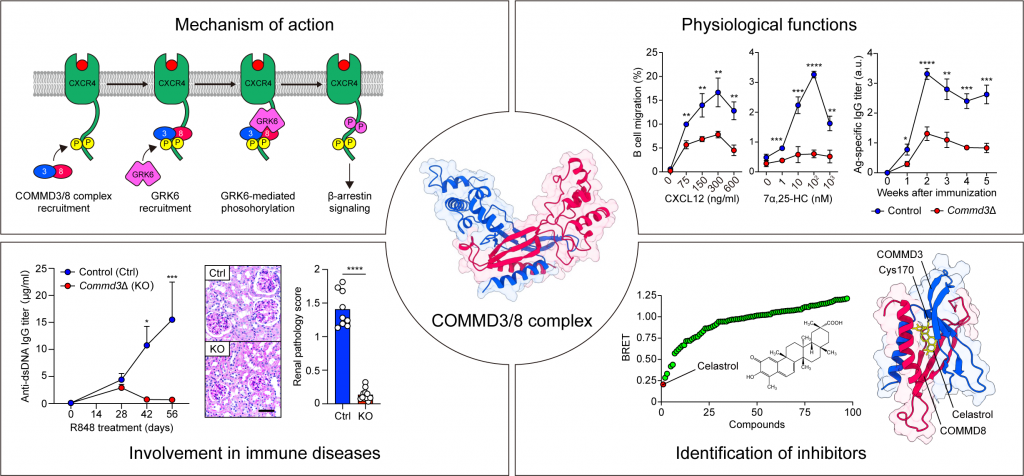
Figure 2. Functional characterization of the COMMD3/8 complex