Message from the Professor
The University of Osaka Graduate School of Medicine
Professor of Department of Gastroenterology and Hepatology, Division of Internal Medicine
The Department of Gastroenterology and Hepatology, within the Division of Internal Medicine at the Graduate School of Medicine, The University of Osaka, was established in June 2005 as part of an organ-based reorganization of the Division of Internal Medicine. Professor Norio Hayashi, the founding chair, laid the foundation of the department. Subsequently, in April 2011, Professor Tetsuo Takehara assumed the position of chair and has since led the department’s development across clinical practice, research, and education.
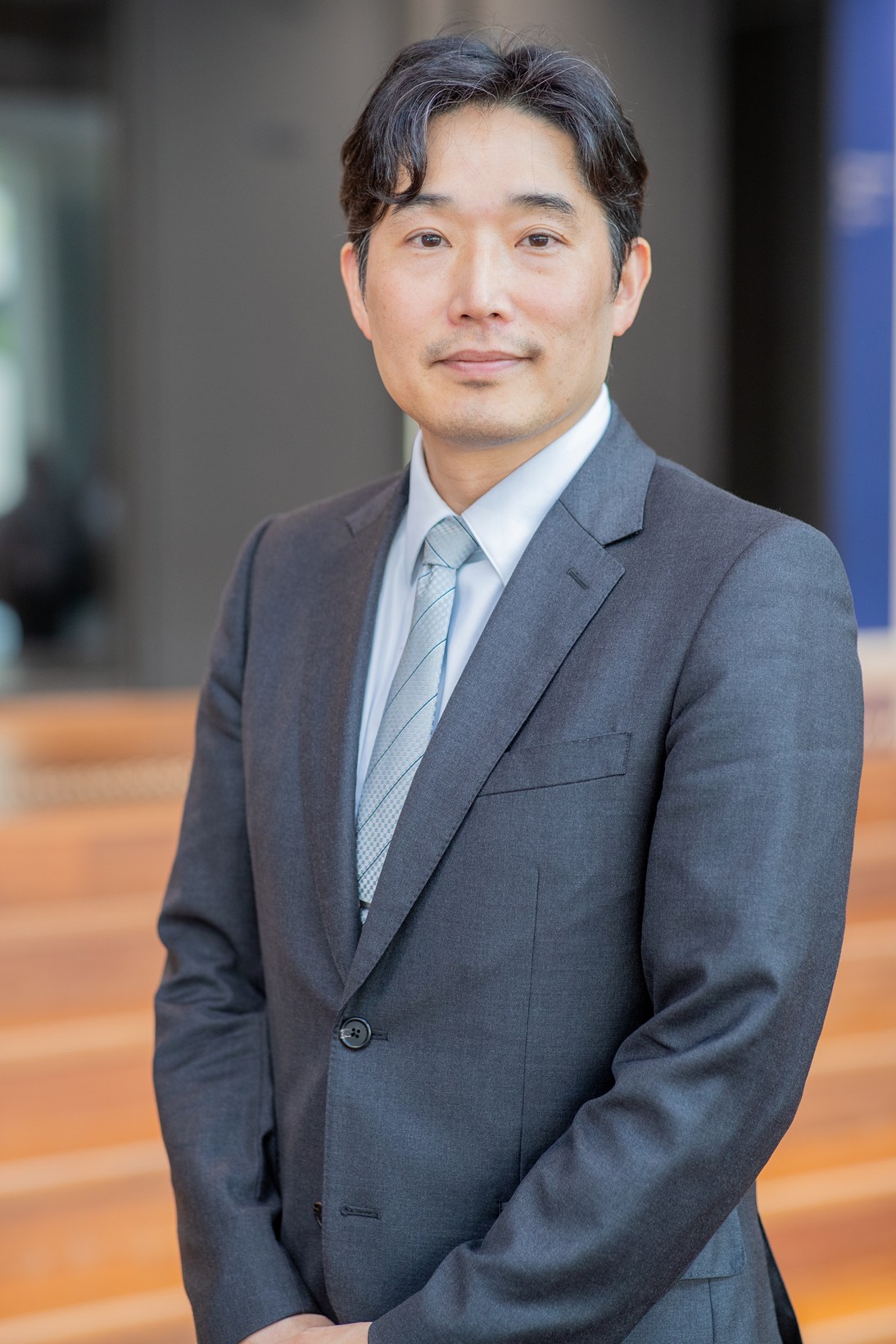
On January 1, 2026, I was appointed as Professor as his successor.
Although the Department of Gastroenterology and Hepatology at the Division of Internal Medicine, Graduate School of Medicine, The University of Osaka is relatively young since its establishment, it builds upon the long-standing tradition of the gastroenterology groups from the former First, Second, and Third Departments of Internal Medicine, with a substantial accumulation of clinical practice, research, and education. The department has since grown into an organization comprising 72 current members and 926 alumni, working in close collaboration with approximately 30 affiliated hospitals to advance clinical care, research, and education in gastroenterology.
Across a wide range of fields—including endoscopy, hepatobiliary and pancreatic diseases, gastrointestinal disorders, inflammatory diseases, and oncology—the department has consistently emphasized strong clinical expertise grounded in daily practice, as well as an integrated approach that organically links basic and clinical research.
The philosophy of “generating questions from clinical practice, seeking answers through research, and translating those findings back to patient care” remains a fundamental principle that continues to underpin the department’s activities.
Building upon this legacy, I aspire to shape, together with our members, a vision of the Department of Gastroenterology and Hepatology at The University of Osaka that is suited to the next era.
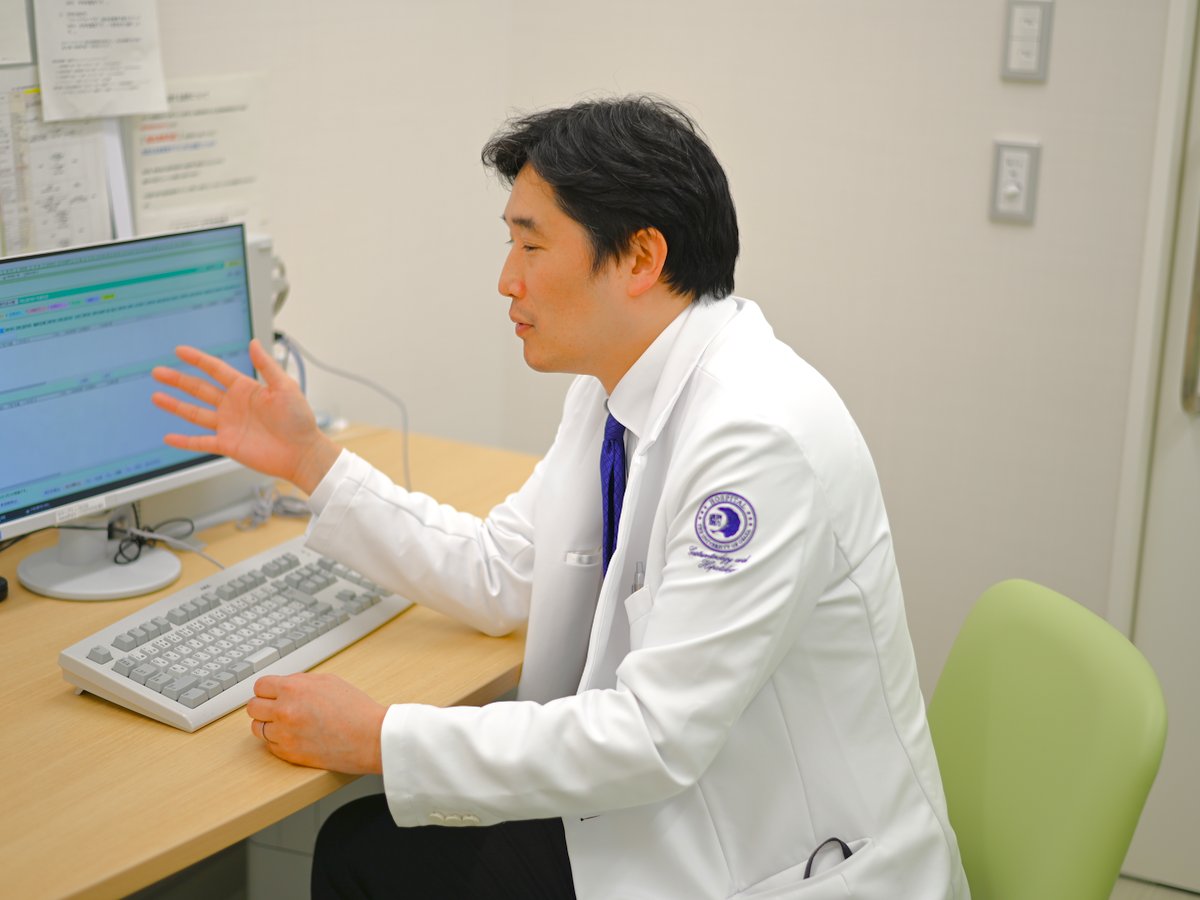
In clinical practice, our highest priority is to provide advanced and safe medical care across the full spectrum of gastroenterology, from gastrointestinal disorders to hepatobiliary and pancreatic diseases. We are committed to maintaining and strengthening highly specialized clinical systems in each field—including endoscopy, inflammatory bowel disease, and hepatobiliary and pancreatic diseases—to deliver optimal, patient-centered care tailored to each individual.
In cancer care, we further strengthen multidisciplinary and cross-departmental collaboration—including surgery, radiology, and pathology—while delivering comprehensive care unique to The University of Osaka Hospital. This approach is based on a full spectrum of treatment modalities, including local therapies, systemic pharmacotherapy, and immunotherapy, for both gastrointestinal and hepatobiliary–pancreatic cancers.
We strive not to overlook unmet needs arising from daily clinical practice, ensuring the reliable delivery of the latest medical care while also pursuing clinical practice that creates the next generation of medicine.
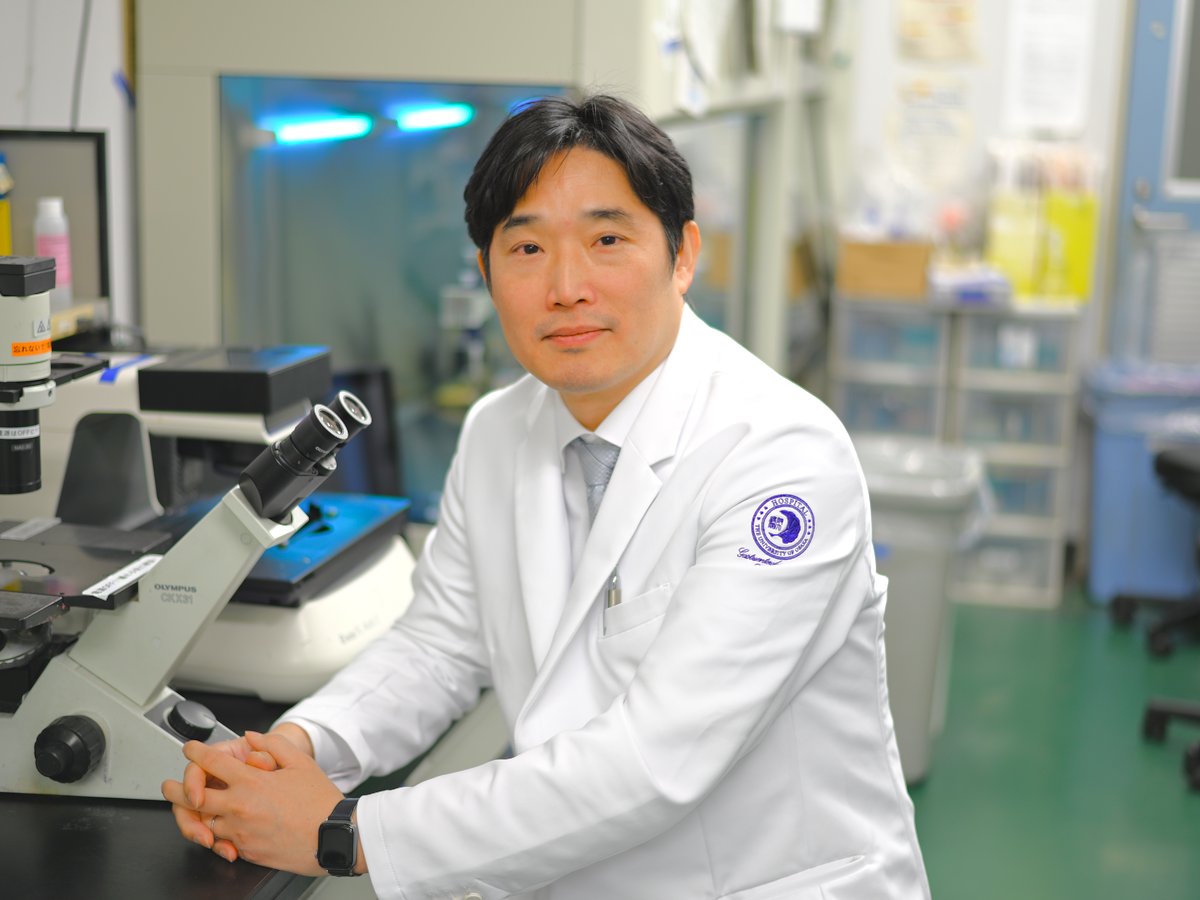
In the field of research, we promote studies that seek to elucidate the fundamental pathophysiological mechanisms shared across gastrointestinal diseases, including chronic inflammation, metabolic dysregulation, regenerative failure, fibrosis, dysbiosis, alterations in the tumor microenvironment, and immune regulation. By organically integrating basic research, translational research, multicenter collaborative clinical studies, and investigator-initiated clinical trials, we aim to generate robust evidence that contributes to the advancement of gastroenterology as a whole.
By leveraging biobanks and animal models, and utilizing state-of-the-art multi-omics analyses, we aim to advance the understanding of diseases and identify novel therapeutic targets from a cross-organ perspective. Through these efforts, we will continue to generate research outcomes that can be disseminated from The University of Osaka to the world.
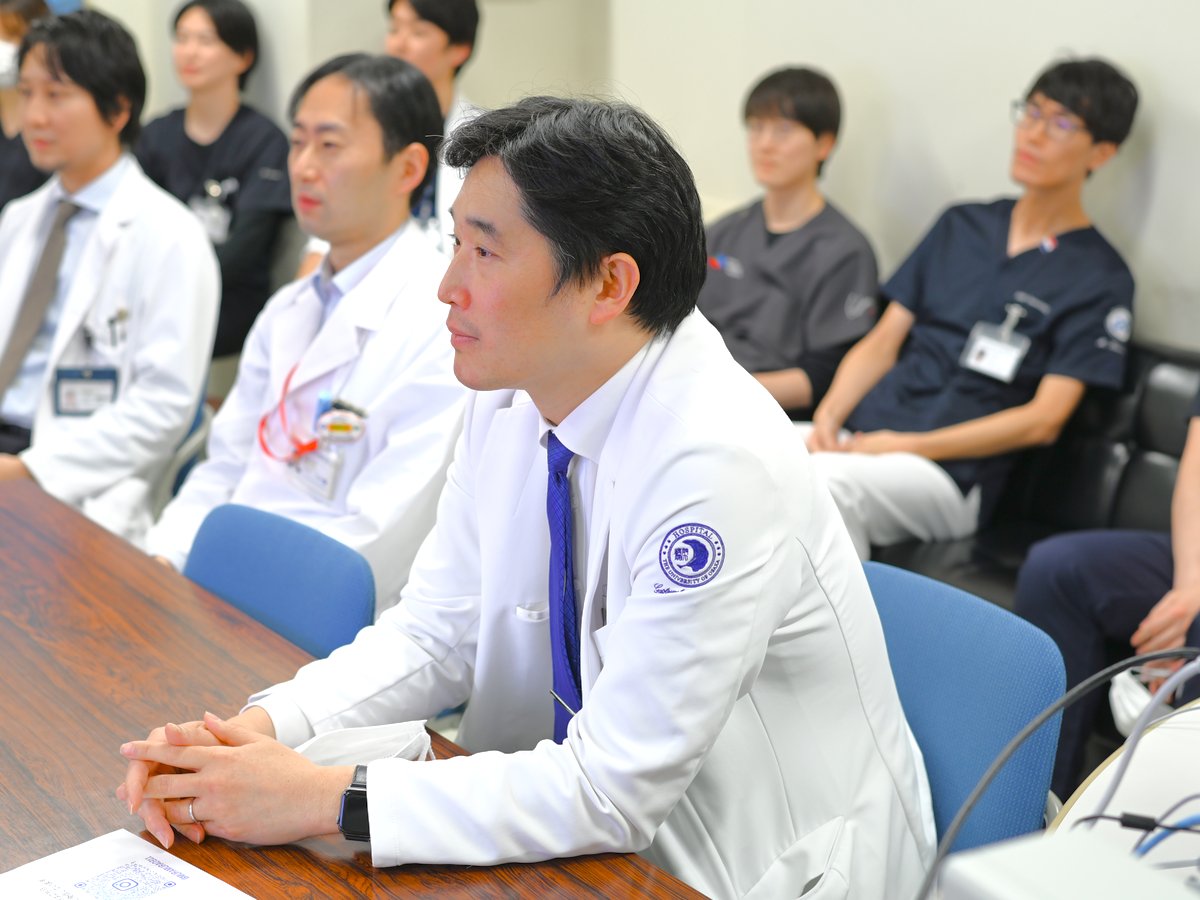
In education, we place the development of academic physicians—who combine strong clinical competence with a research-oriented mindset—at the core of our mission. Respecting the individuality and aspirations of each medical student, resident, and graduate student, we actively provide opportunities in clinical practice, research, and international experience to support their growth into professionals who can excel both domestically and globally.
It is one of the important missions of our department to nurture the next generation of physicians.
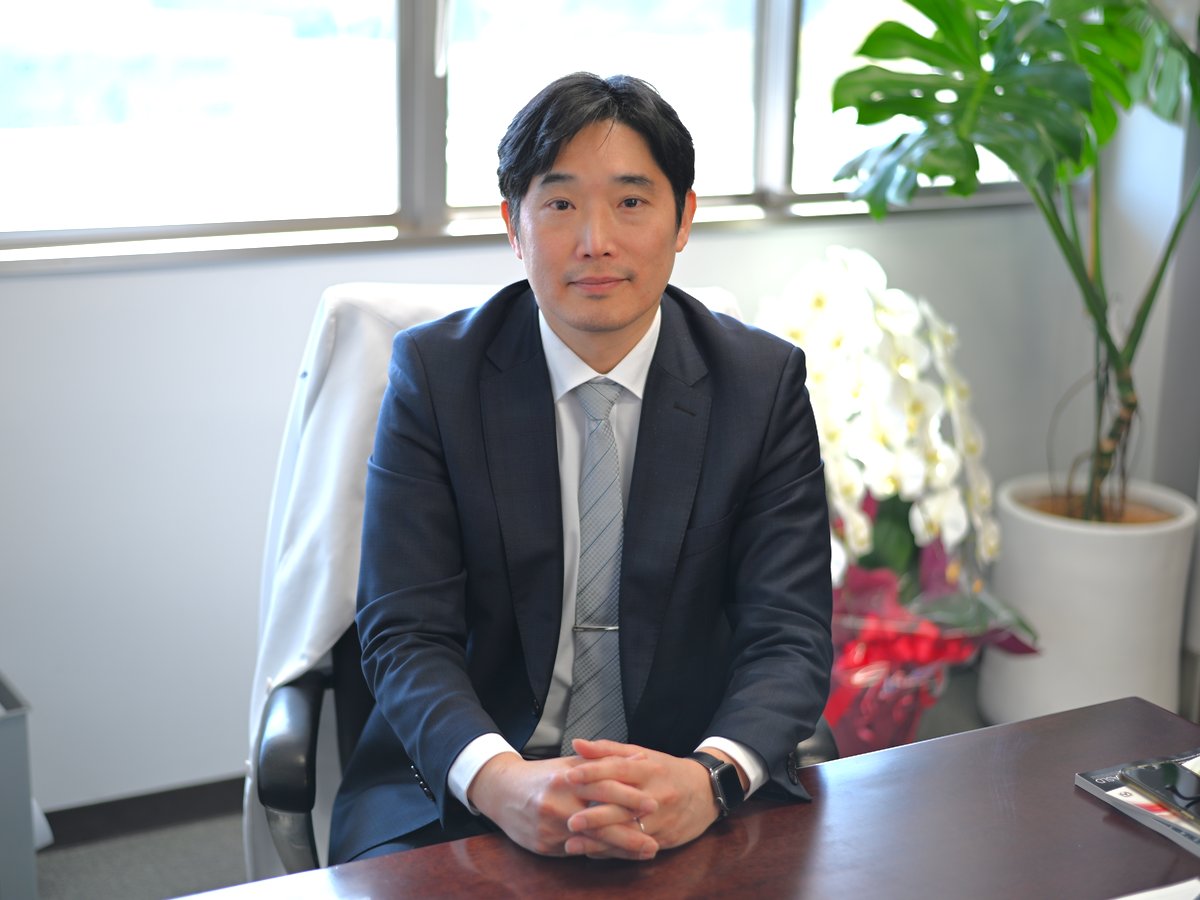
The core philosophy we value is “Empowerment”.
We believe that each member of the department should be able to realize their full potential and grow in their own way, according to their individual roles and stages of life.
I believe that creating an environment that brings out this potential and encourages each individual to take on new challenges is one of my most important responsibilities as Professor.
We aim to create a department where young physicians with diverse aspirations—those passionate about clinical gastroenterology, those eager to pursue research, those seeking to expand their horizons globally, and those committed to supporting community-based healthcare—
can gather with confidence and grow.
Together with our members, I will continue to advance the Department of Gastroenterology and Hepatology at The University of Osaka as a place,
where people grow, knowledge emerges, and we connect to the world.
January 2026
The University of Osaka Graduate School of Medicine
Department of Gastroenterology and Hepatology, Division of Internal Medicine
Professor Takahiro Kodama