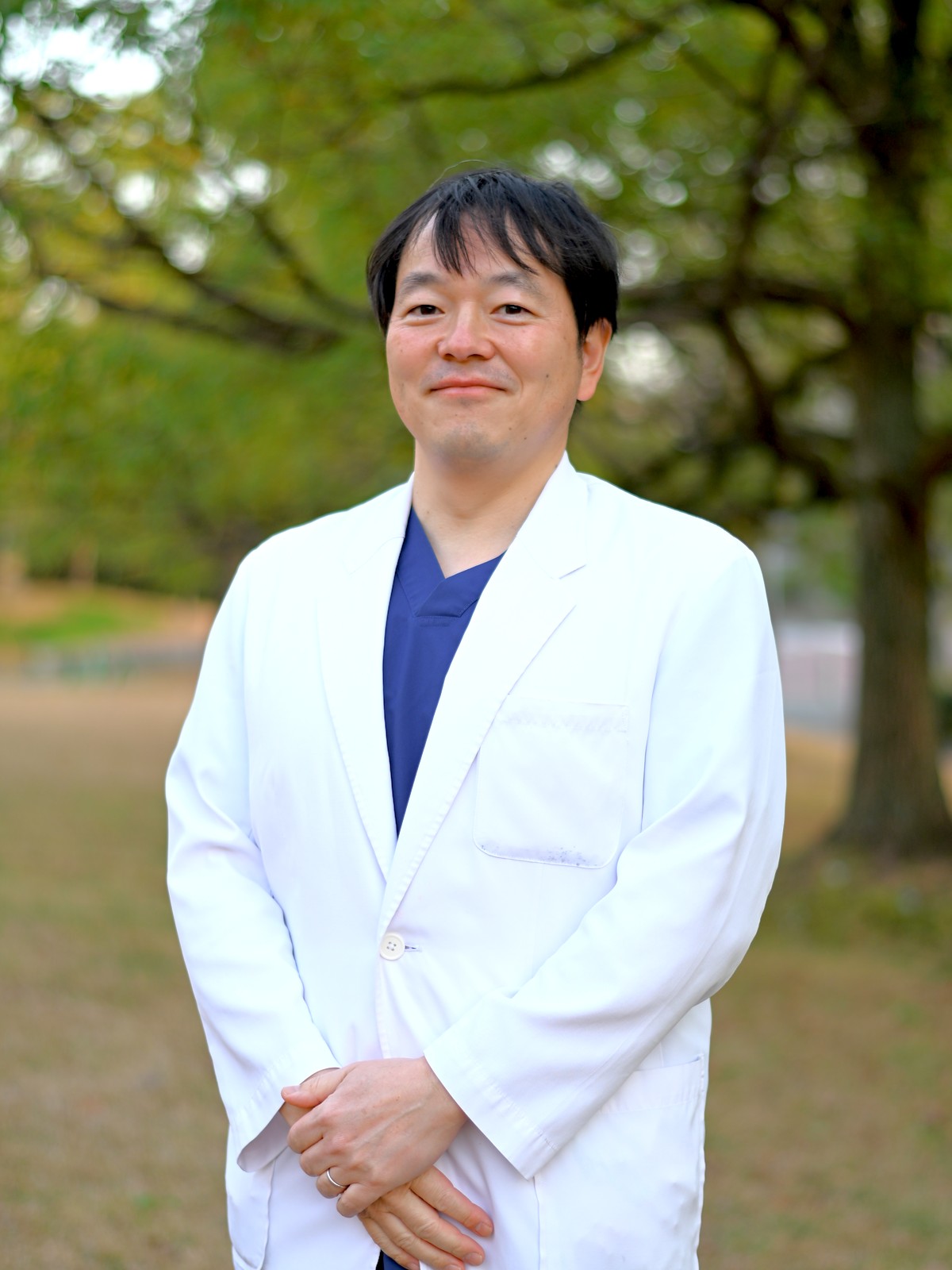
Teppei Yoshioka
Teppei Yoshioka
Biliary and pancreatic diseases
Endoscopic treatment and drug therapy for cholangiopancreatic cancer
Pancreatic carcinogenesis from pancreatic cysts
Career History
- April 2007-March 2012 Osaka Rosai Hospital
- Apr 2012-Mar 2019 Medical Fellow, Department of Gastroenterology, Osaka University Graduate School of Medicine
- Apr 2019-Oct 2022 Project Assistant Professor, Oncology Center, Osaka University Hospital
- Nov. 2022-Present Assistant Professor, Department of Gastroenterology, Osaka University Graduate School of Medicine
Board Certification, Specialist Certification, Instructor, Councilor, etc.
- Japanese Society of Internal Medicine: Board Certified Physician, Specialist in General Internal Medicine
- Japanese Society of Gastroenterology: Medical Specialist, Medical Advisor, Councilor of Kinki Branch, Councilor of Headquarters
- Japanese Society of Gastrointestinal Endoscopy: medical specialist, medical advisor, councilor of Kinki Branch, academic councilor, reviewer of Japanese journal
- The Japanese Pancreatic Association: Medical Advisor
- The Japanese Biliary Society: Instructor
- Japan Organization of Medical Examiners for Cancer Therapy: Board Certified Cancer Therapy Physician
- Japan Society of Hepatology: Medical Specialist
- Japanese Society of Clinical Oncology, Japanese Cancer Association, International Association of Pancreatology (Member)
Hobbies
Soccer, futsal, golf, travel
Message
I feel that gastroenterology is a profound area where we can directly contribute to patients in terms of both diagnosis and treatment while honing the artisanal skills of endoscopy. Among these, bile-pancreatic cancer is the most difficult cancer to treat today, and there are many situations in which it is difficult to fully satisfy all wishes. Even so, we are working to generate evidence, including through daily practice and multicenter collaborative research, so that we can propose the best possible option for each of the various aspects of the disease, taking into consideration not only treatment outcome but also quality of life. Our goal is to apply the knowledge we have gained to clinical practice and to advance the treatment of cholangiopancreatic cancer.