Advanced Device Medicine
- Developing ophthalmic medical devices using a transparent self-assembling peptide gel that is stable at neutral pH
- Clinical development and implementation of a surgical aid that maintains visibility during glaucoma surgery
- Research on tissue substitutes for the eye that take advantage of the gel’s transparency and scaffold function
- Drug discovery for corneal regenerative medicine
- Bridging research results to clinical practice through university–industry collaboration
Harnessing the transparency of self-assembling peptide gels to create new medical devices for ophthalmology
Our department is a joint research department. We aim to apply a self-assembling peptide gel, developed with nanotechnology, to medical devices and regenerative medicine.
Self-assembling peptides are short chains of amino acids that spontaneously assemble in water, forming nanometer-scale fibers that entangle into a gel network. The peptide gel we work with is stable under neutral conditions, highly transparent, and acts as a scaffold for cells. Because it consists mostly of water, one can see clearly through it. This transparency is the starting point of our research.
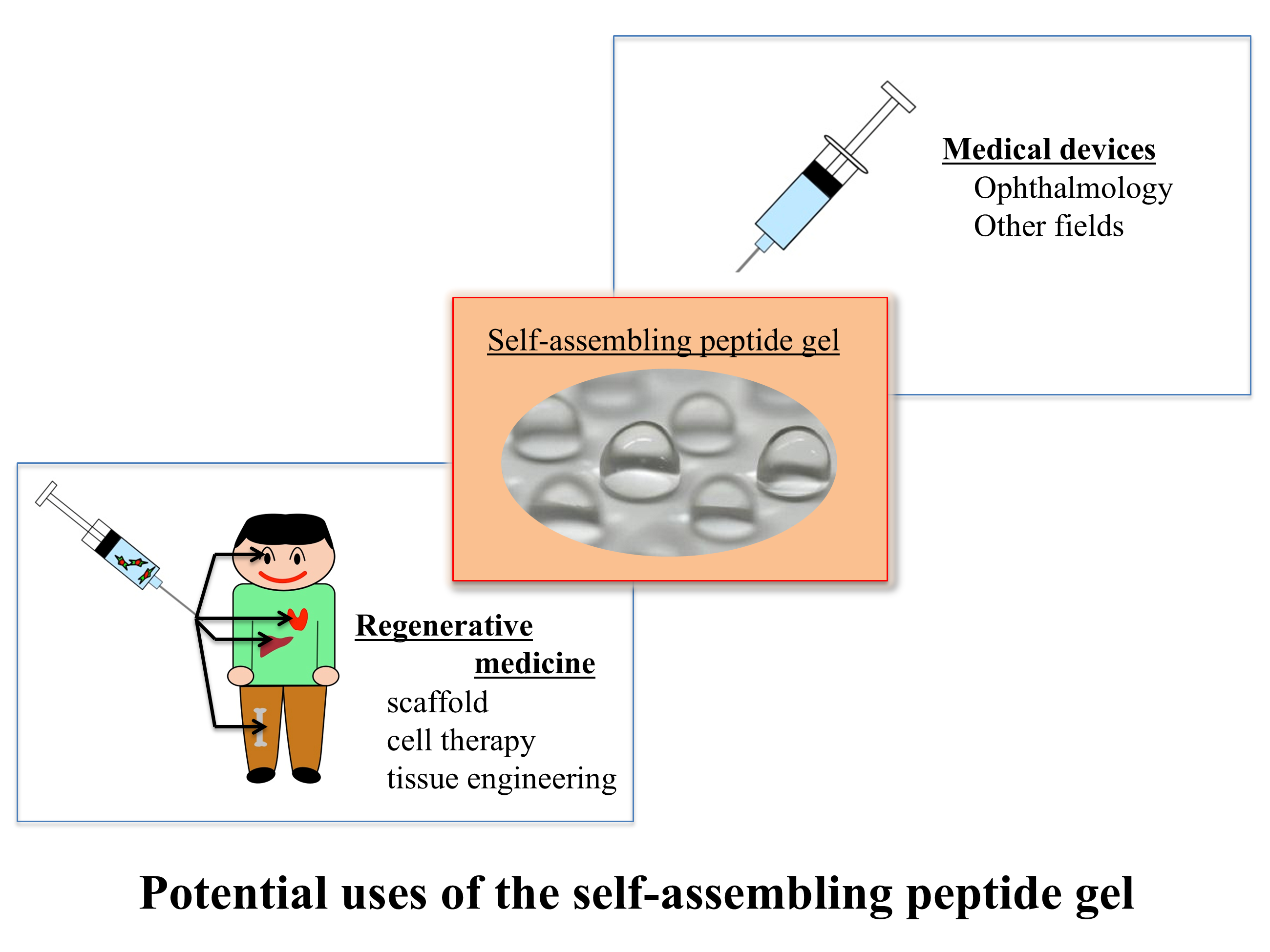 Figure 1: The potential of self-assembling peptide gels
Ophthalmology is a field in which a clear view is especially important, as surgeons operate on fine tissues under a surgical microscope. Our department therefore focuses on ophthalmology, where the transparency of the gel can be used to greatest advantage, and develops surgical aids and tissue substitutes.
One example is a surgical aid that maintains the field of view during glaucoma surgery. When blood flows into the surgical field, tissues become difficult to see and the procedure must be interrupted for hemostasis or irrigation. Placing the transparent gel on the ocular surface helps keep blood out while allowing surgeons to observe the tissue through the gel. In a multicenter randomized controlled trial of 68 patients with glaucoma, intraoperative visibility was rated significantly higher in the gel group, and adverse events were temporary and occurred equally in both groups (Matsushita K, et al. Sci Rep. 2026). Based on these results, the gel received regulatory approval as an ophthalmic medical device for securing the surgical field and has begun to be used in clinical practice. Advancing from basic research through clinical trials to approval as a single university–industry team is an achievement that reflects the strength of a joint research department.
Building on the gel’s ability to act as a scaffold for cells, we are also engaged in drug discovery research for corneal regenerative medicine.
Starting from challenges that arise in clinical practice, we seek to understand the properties of our materials in depth and deliver them to patients in a safe, easy-to-use form. We will continue our research and development to make eye surgery and treatment safer and more reliable.