Xenotransplantation
- Bringing xenotransplantation into clinical practice in Japan
- Developing new methods to preserve donor hearts
- Developing a perfusion device to preserve and assess hearts
- Controlling transplant rejection with regulatory T cells (Tregs)
- Evaluating pig-to-primate heart transplantation in preclinical studies
Integrating organ preservation, immune regulation, and transplantation research to advance clinical xenotransplantation in Japan
Organ transplantation is a vital treatment for patients with end-stage heart, kidney, and other organ failure. In Japan, however, a shortage of donors means that patients often face a long wait for transplantation. Despite advances in treatments such as ventricular assist devices, some patients become too ill to survive until a donor organ is available. Our goal is to develop xenotransplantation—the transplantation of organs across species, using porcine organs—into a treatment option for patients in Japan.
Achieving this goal requires more than preventing immune rejection. We must also keep donor organs in good condition, establish reliable surgical techniques, and develop appropriate postoperative care. Drawing on our clinical experience in cardiac surgery, we focus on three connected areas: organ preservation and perfusion, immune regulation, and transplantation experiments.
First, we are working to protect donor hearts. Once a heart is removed from the body, its supply of oxygen and nutrients is interrupted, and its function can deteriorate over time. We are developing a preservation method using a compound designed to maintain energy production in the heart muscle, together with a device that circulates preservation fluid through the heart outside the body. By maintaining function and assessing the organ during preservation, we aim to improve the condition of hearts available for transplantation. This work may also benefit conventional heart transplantation between human donors and recipients.
Second, we are studying ways to regulate the immune response. When an organ is transplanted across species, the recipient’s immune system can react strongly and damage the graft. We are investigating regulatory T cells (Tregs), which help restrain immune responses, as a potential means of controlling rejection. Our long-term aim is to help transplanted organs function for longer and, potentially, reduce patients’ dependence on immunosuppressive drugs.
Third, we conduct pig-to-primate heart transplantation experiments. We have performed transplantation procedures and examined the function of the transplanted hearts and the immune responses that follow. We will use this experimental model to assess how advances in organ preservation and immune regulation work together, and to identify the conditions needed for sustained graft function.
Through collaboration with researchers in immunology, engineering, veterinary medicine, and other fields, we will address each challenge systematically. With careful attention to safety, infectious disease risks, and ethical considerations, we aim to build the preclinical foundation needed to bring xenotransplantation into clinical practice in Japan.
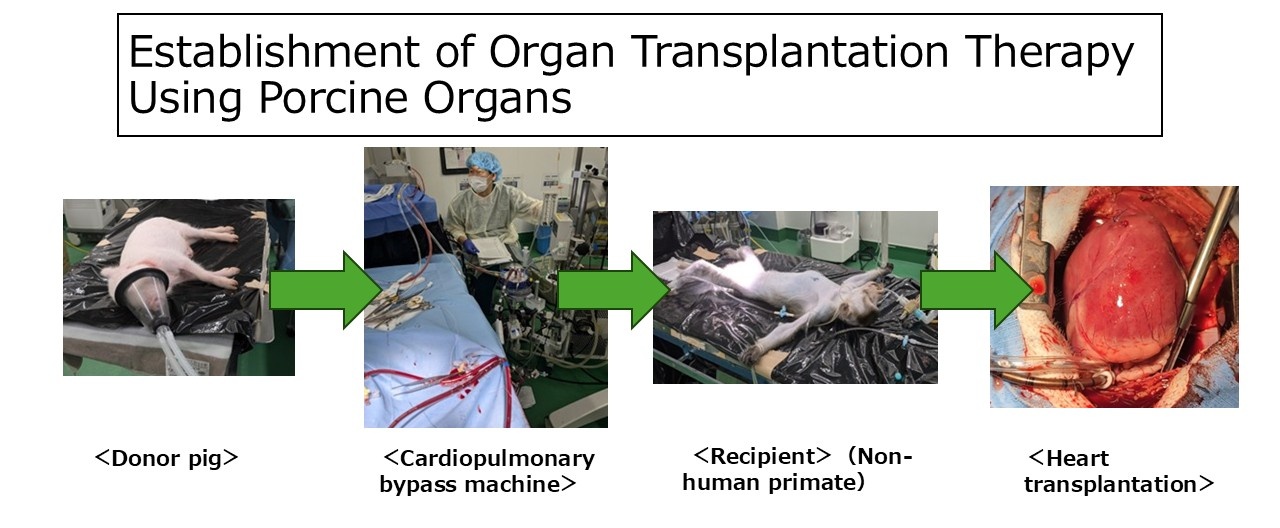 Figure 1. Establishment of Organ Transplantation Therapy Using Porcine Organs