








Keywords (alphabetical order): Biosensors, Brain, Hearing Loss, Inner Ear, Interdisciplinary
approach, In vivo, Molecular Biology, Pharmacology, Physiology
Research on Hearing
―Unraveling How Hearing Works through Real-Time, In Vivo Measurements―
Welcome to the Department of Glocal Pharmacology at the Graduate School of Medicine, The University of Osaka. My name is Hiroshi Hibino, and I have been leading the group since January 2021.
Our philosophy is simple: “Let's do something different!” By integrating technologies and knowledge from engineering and other disciplines, we strive to be “Be the Only One, Not the Number One!” Our research focuses on understanding how hearing works and uncovering the mechanisms underlying hearing loss.
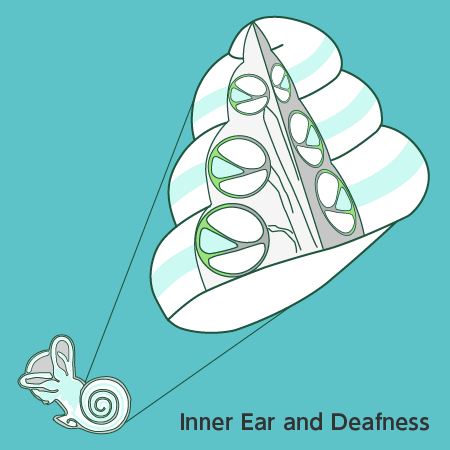
Sound travels through the outer and middle ears to the inner ear, where mechanical vibrations are converted into electrical signals. These signals are transmitted to the brain, where they are interpreted as language and contribute to memory, emotion, and a wide range of behaviors.
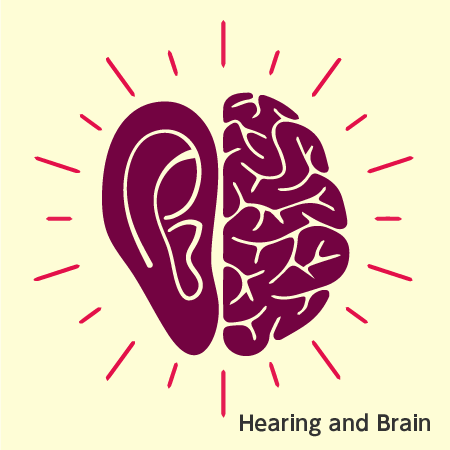
The inner ear is an exquisitely organized three-dimensional structure composed of different cell types. These tiny cells exert highly specialized functions, including mechanical motion and electrical activity. Dysfunction of each of these components can lead to hearing loss. Meanwhile, the auditory cortex interacts with extensive neural networks to refine auditory perception and influence other sensory and physiological functions.
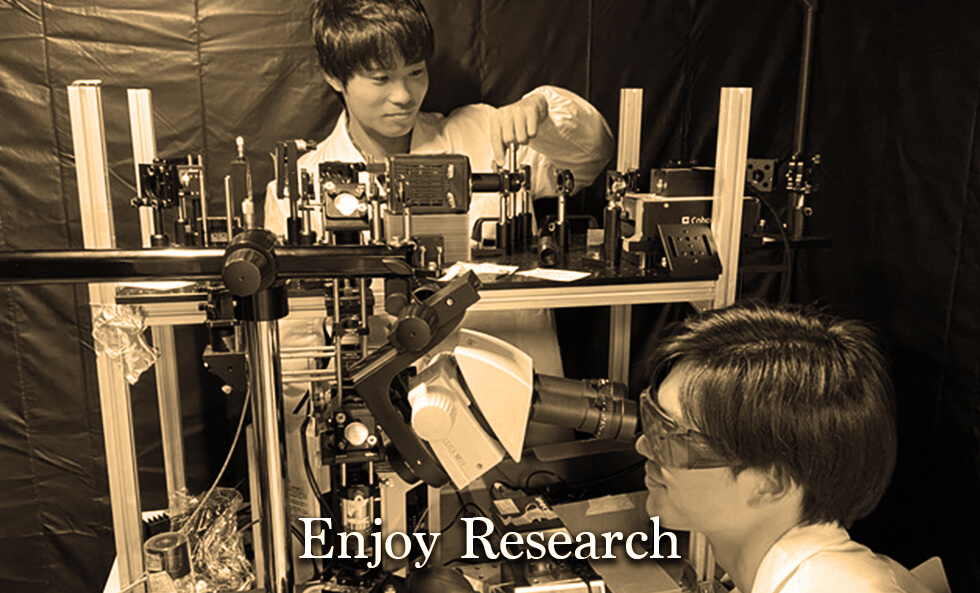
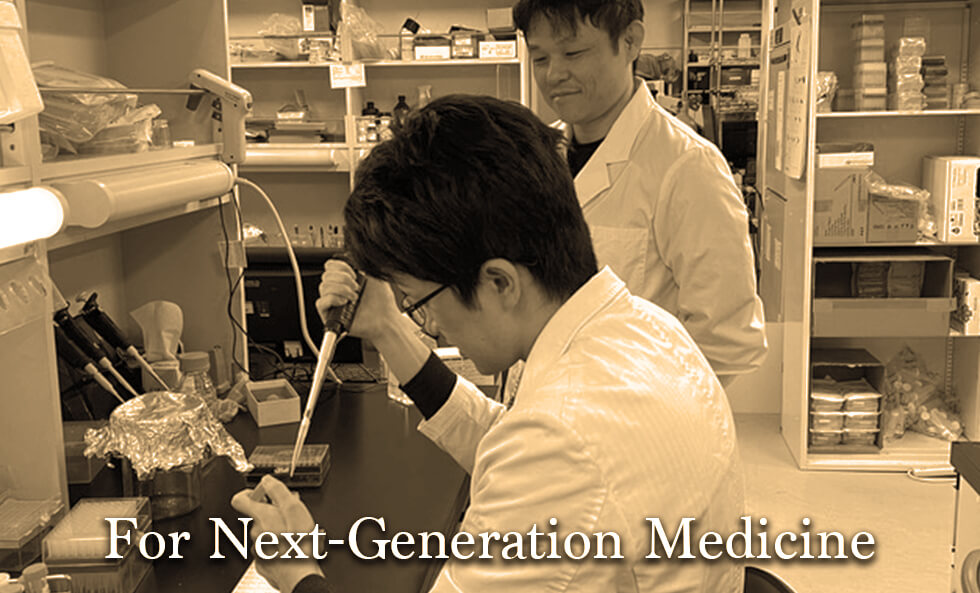
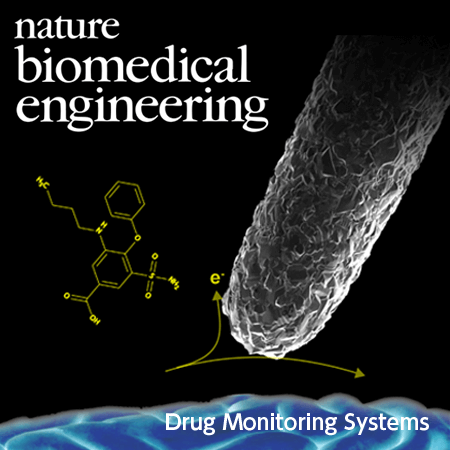
To understand hearing and hearing loss, it is essential to monitor local physiological events in live tissues and then integrate these observations. To achieve this, we develop and optimize unique measurement technologies through collaborations between medicine and engineering. Using animal models, we are working on local in vivo measurements, focusing on the inner ear and auditory cortex. We also employ histological, biochemical, and molecular biological approaches.
Our research is expanding into new areas. Hearing loss in midlife has been identified as a major risk factor for dementia and is also associated with depression. Auditory hypersensitivity is a significant issue in autism. These findings have motivated us to explore the links between hearing and brain disorders. We have also unexpectedly identified a gene crucial for middle ear development, opening another exciting research direction.
Our guiding principles are “ Passion, Challenge, and Creativity.” Together with our talented and diverse team members, we enjoy pursuing original research to contribute to biomedical science. We collaborate with researchers in physics, chemistry, engineering, and other fields, and organize interdisciplinary scientific meetings. We believe that there is no hierarchy in research, and bold ideas are always welcome. We especially encourage young researchers who are eager to try something unconventional. Let's explore something new together! If you are interested in our research, please feel free to contact or visit us. You are always welcome!
RESERCH PROJECTS
NEWS
Research proposal conducted by Hibino Team has been accepted to JST-CREST 2026
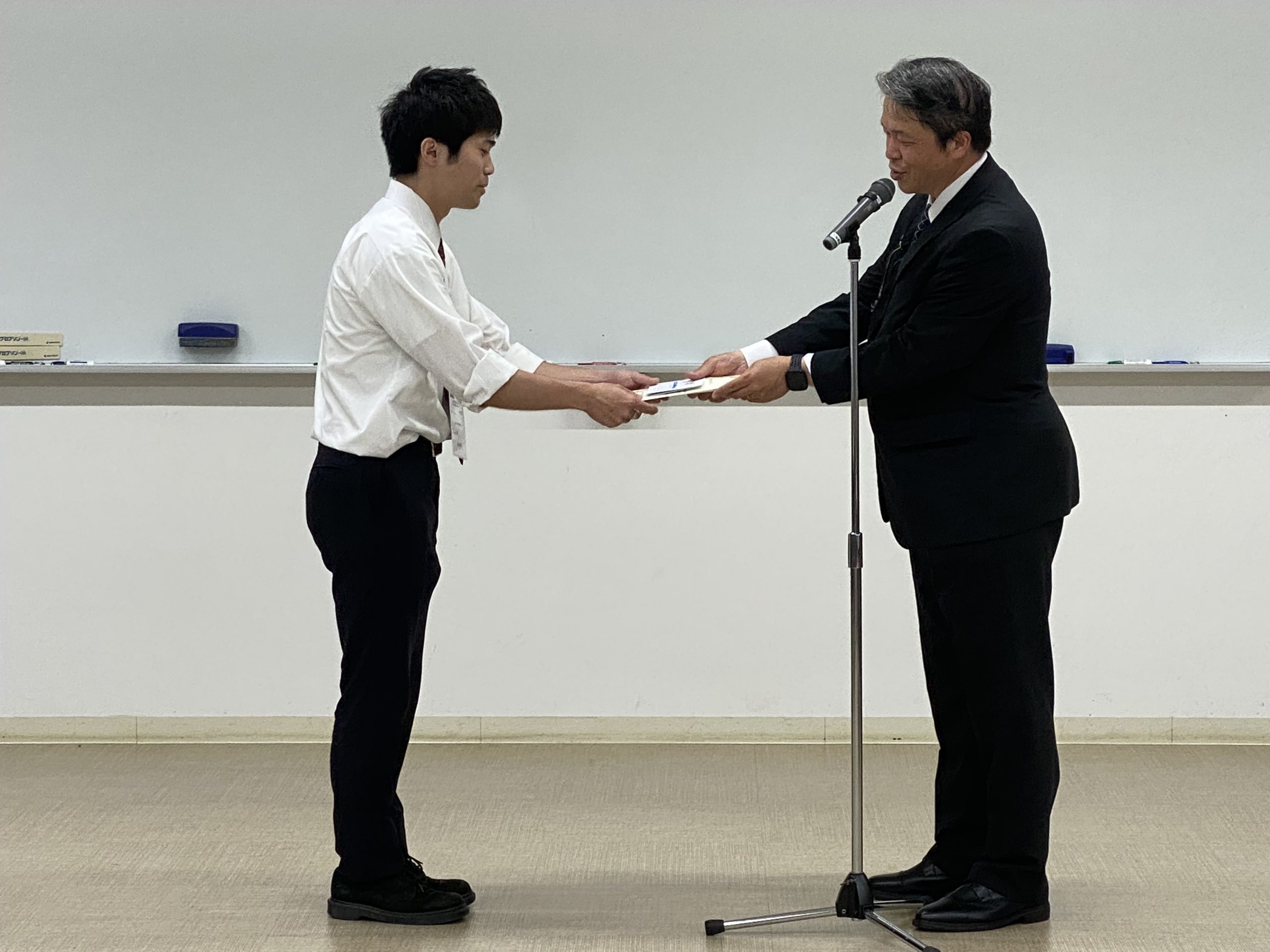
Yamamoto-kun Receives Outstanding Presentation Award
Farewell Gathering in March
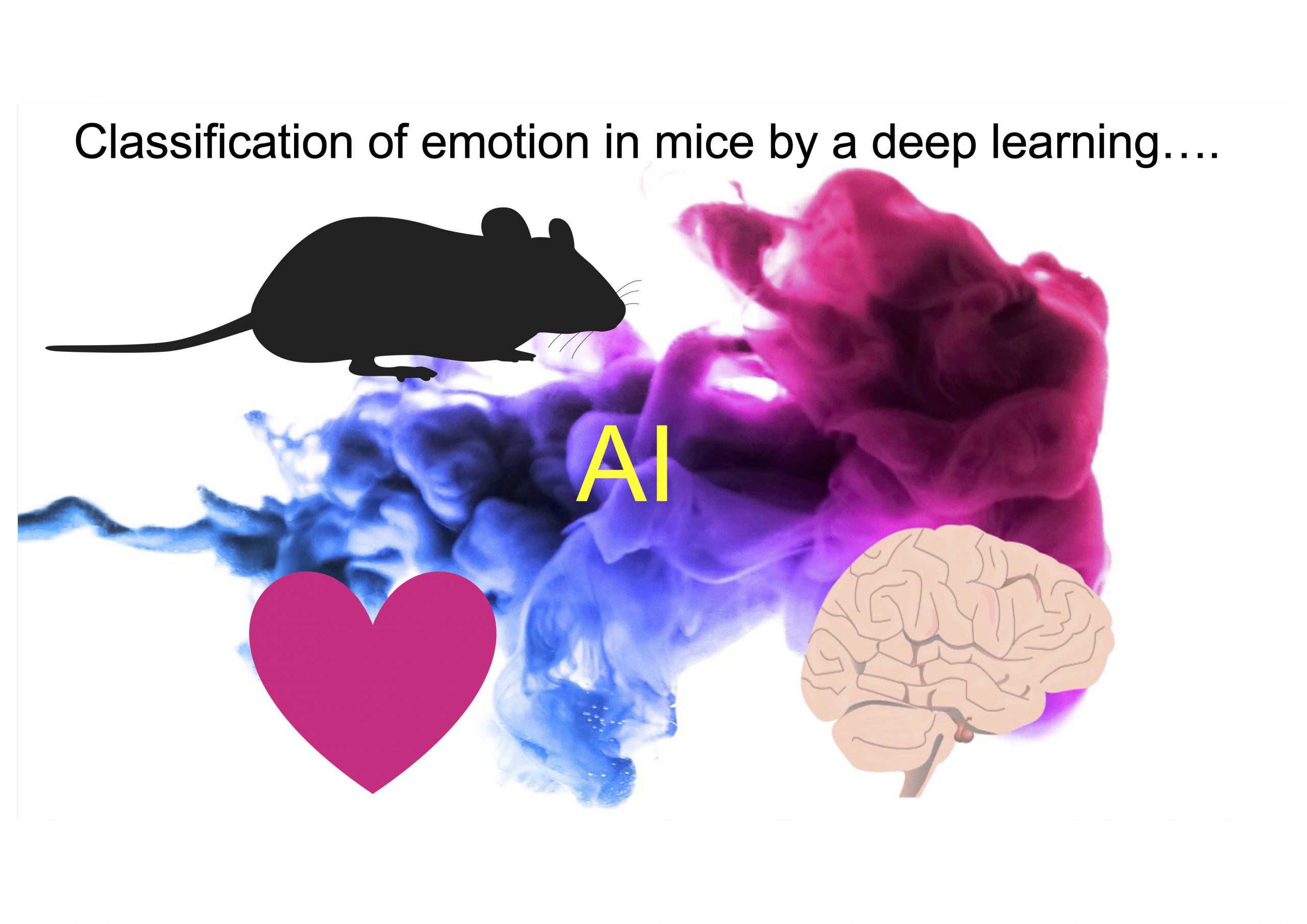
Ino-kun’s excellent work has been published.
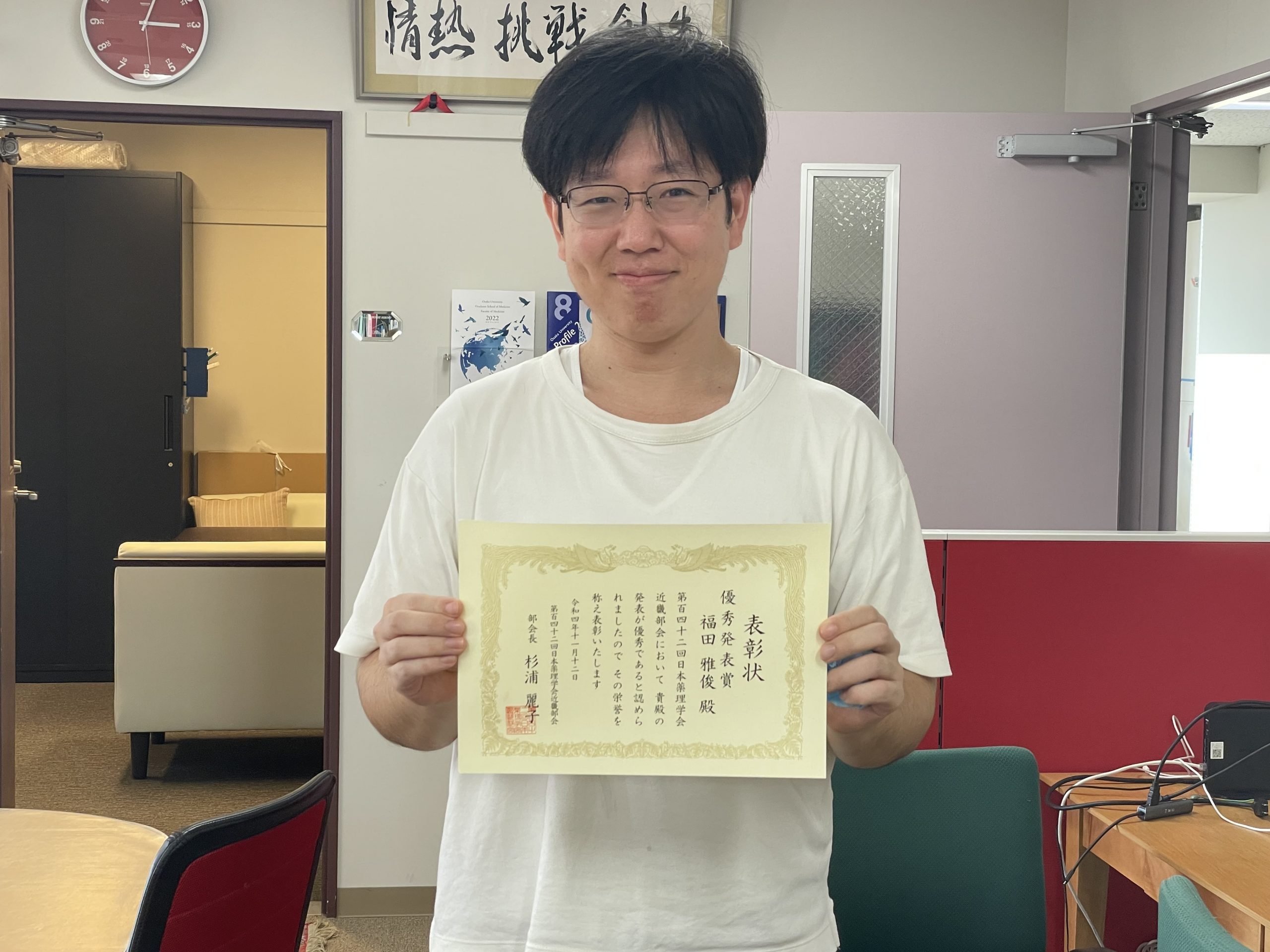
Dr.Fukuda received the “Outstanding performance award” at the 142th Kinki sectional meeting in The Japanese Pharmacological Society
Call the applications from oversea students!
Let’s do unique and
interesting science together with us!
Very much welcome to our lab are young researchers and students described below:
- who wish to study the relationship between molecules and tissue/organ functions.
- who have an interest in the pathophysiological mechanisms underlying diseases and would like to contribute to medicine
- who want to carry out very unique experiments. ― Only One rather than Number One ! ―
- who want to open a new research field by interdisciplinary approaches.
If you would like to join our group and work together with us,
please contact
Professor Hiroshi HIBINO by email